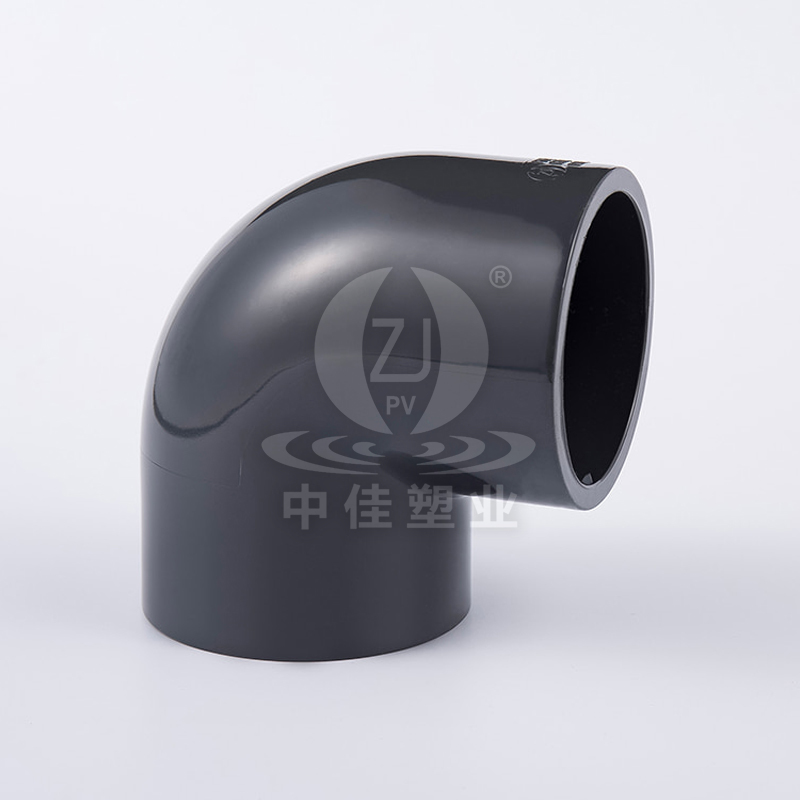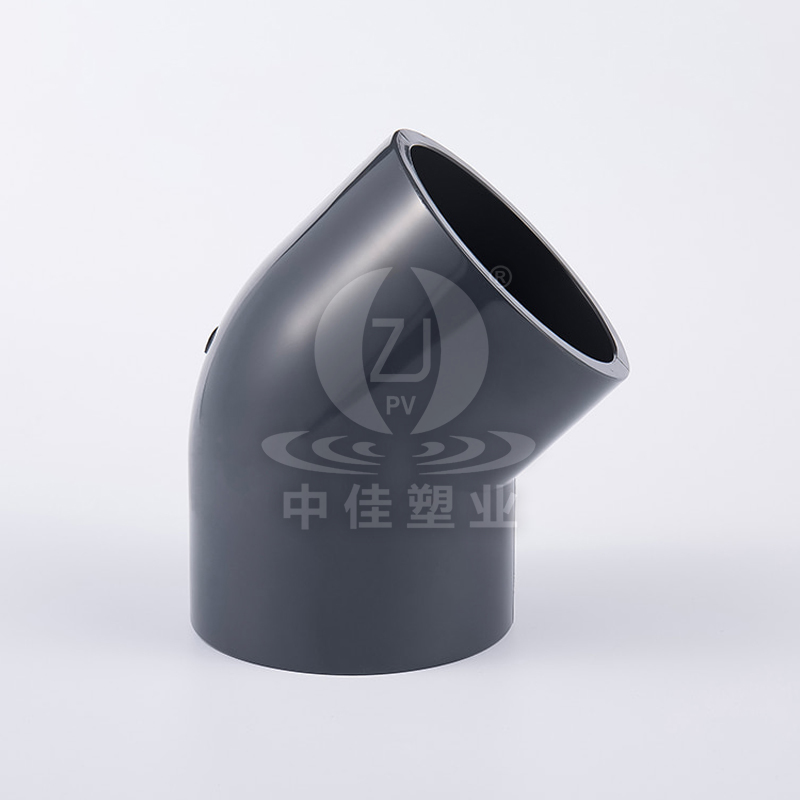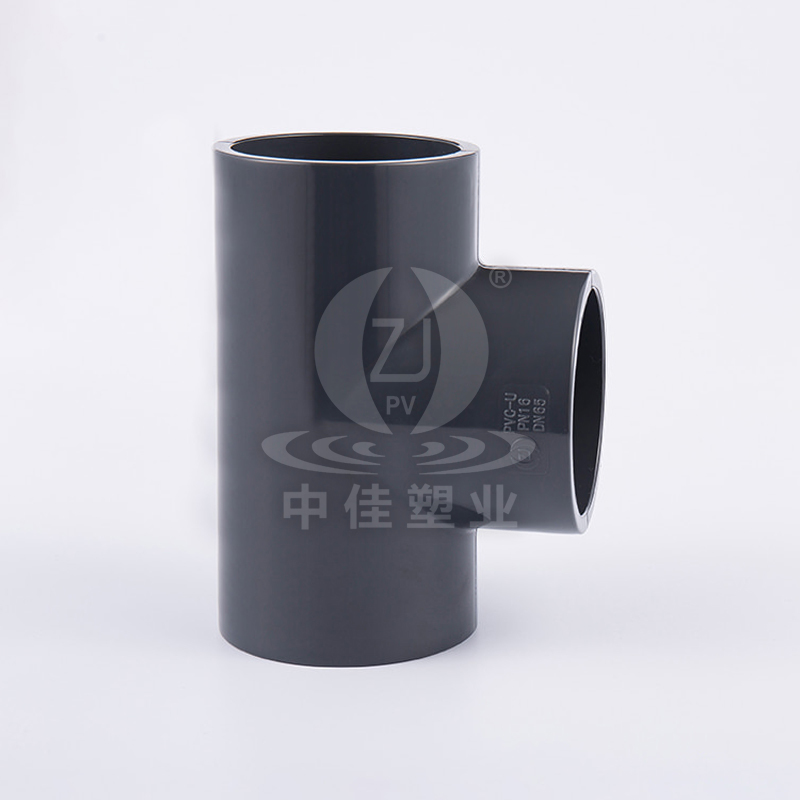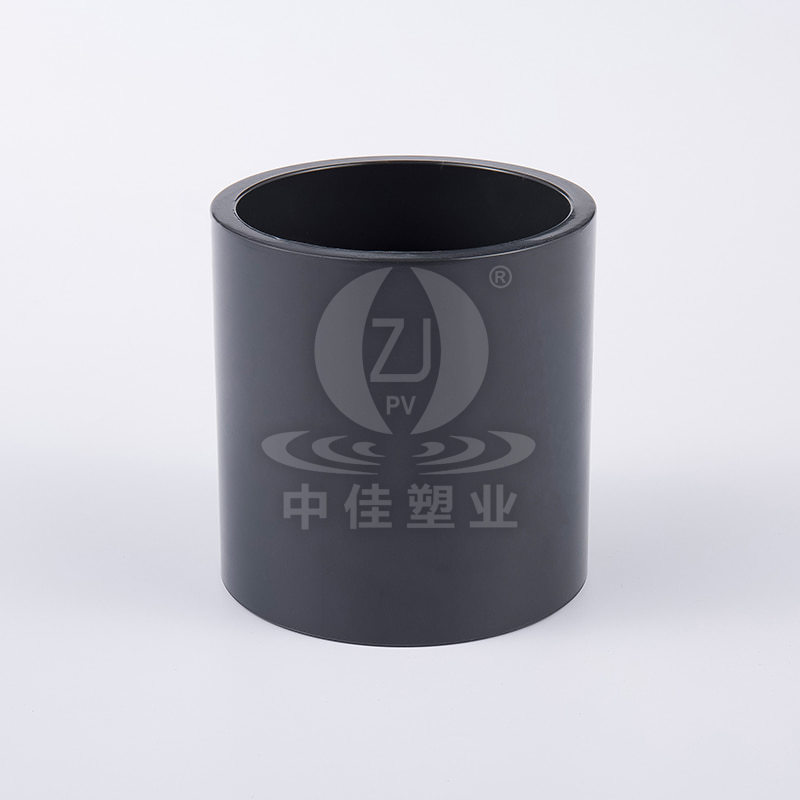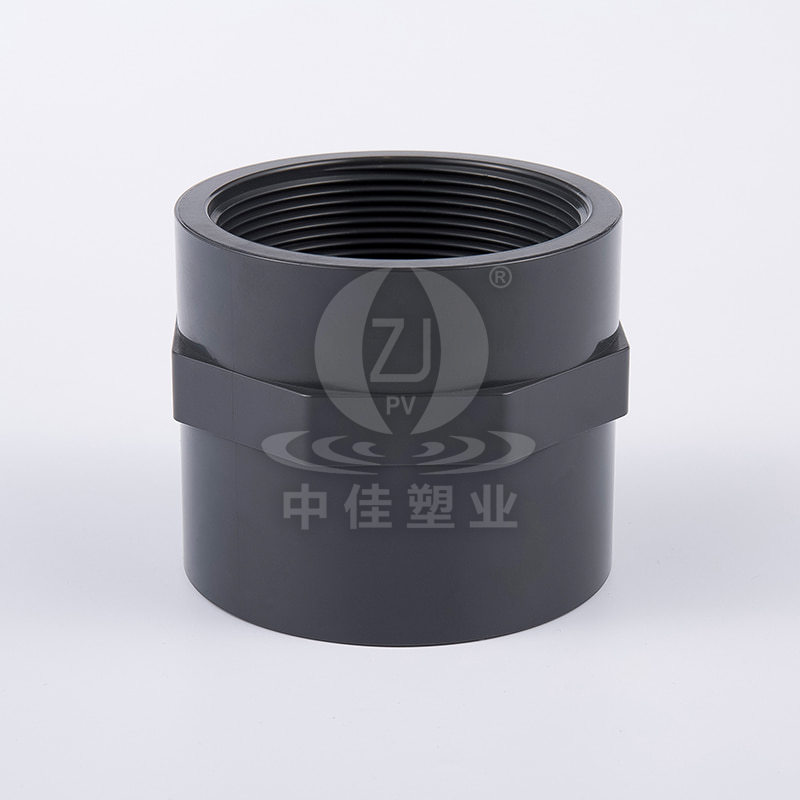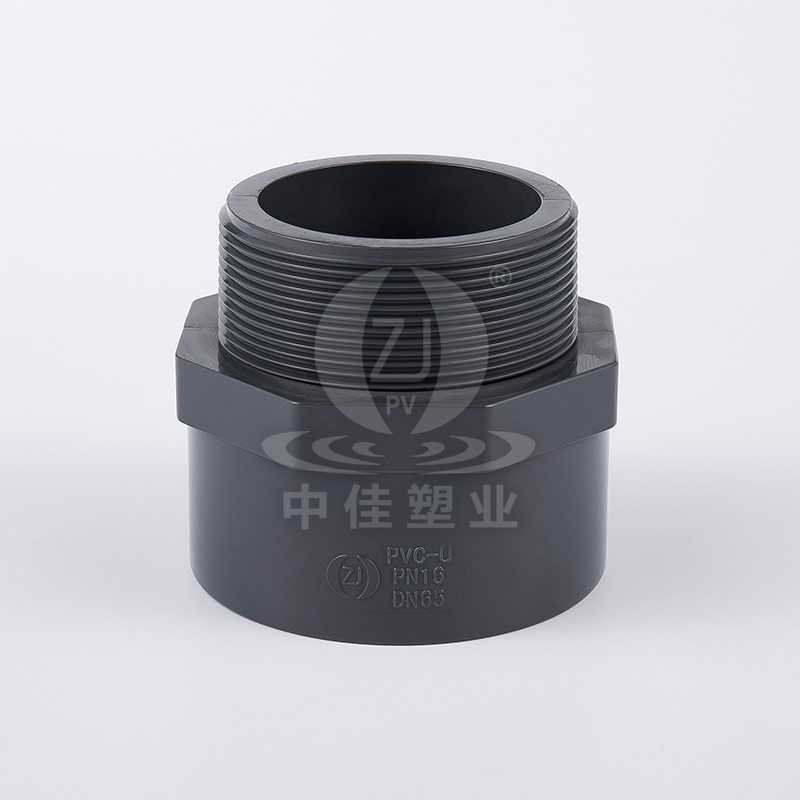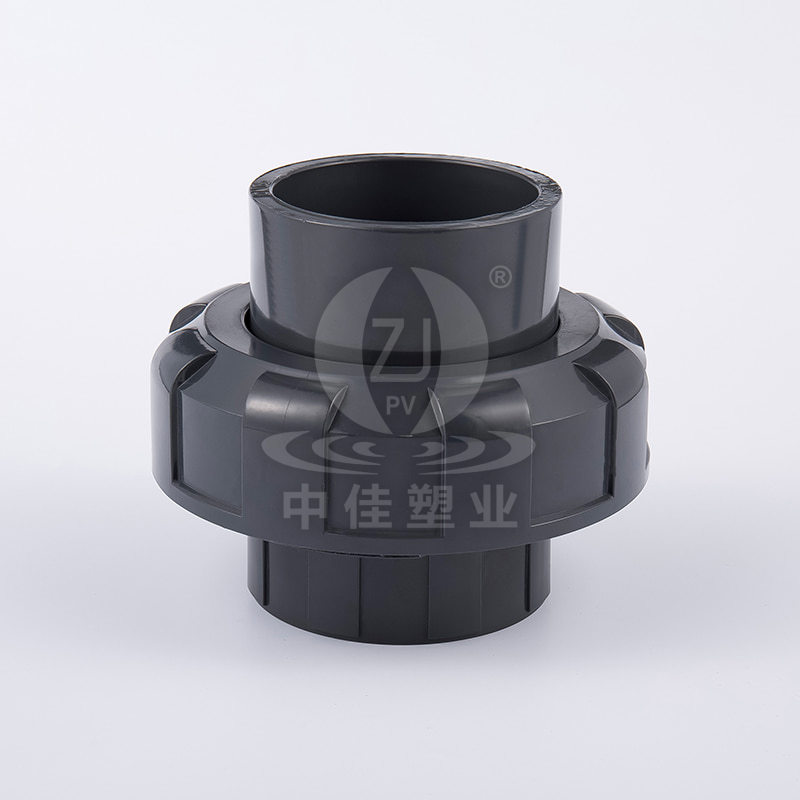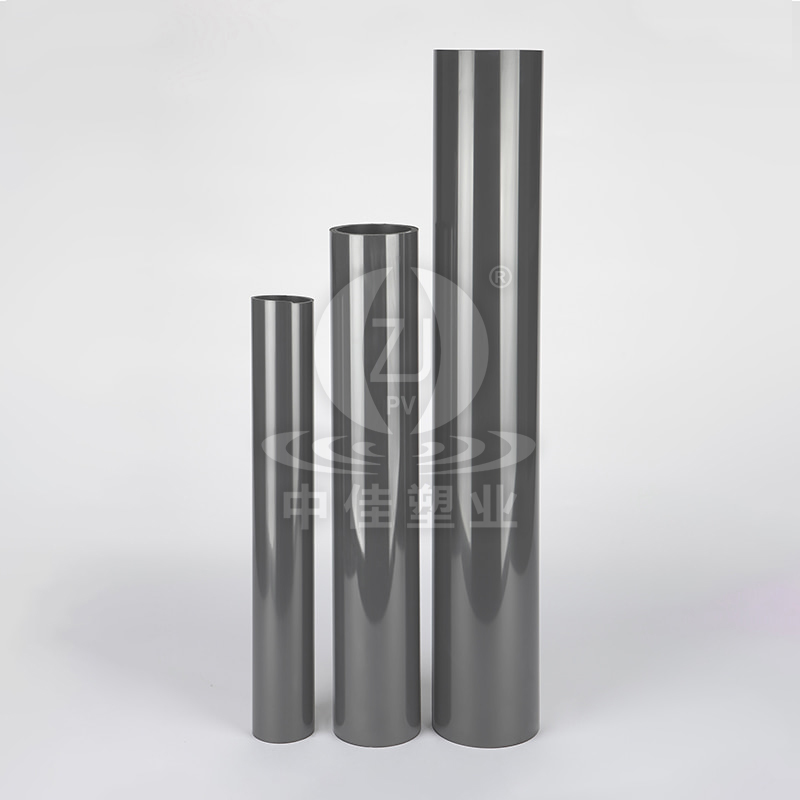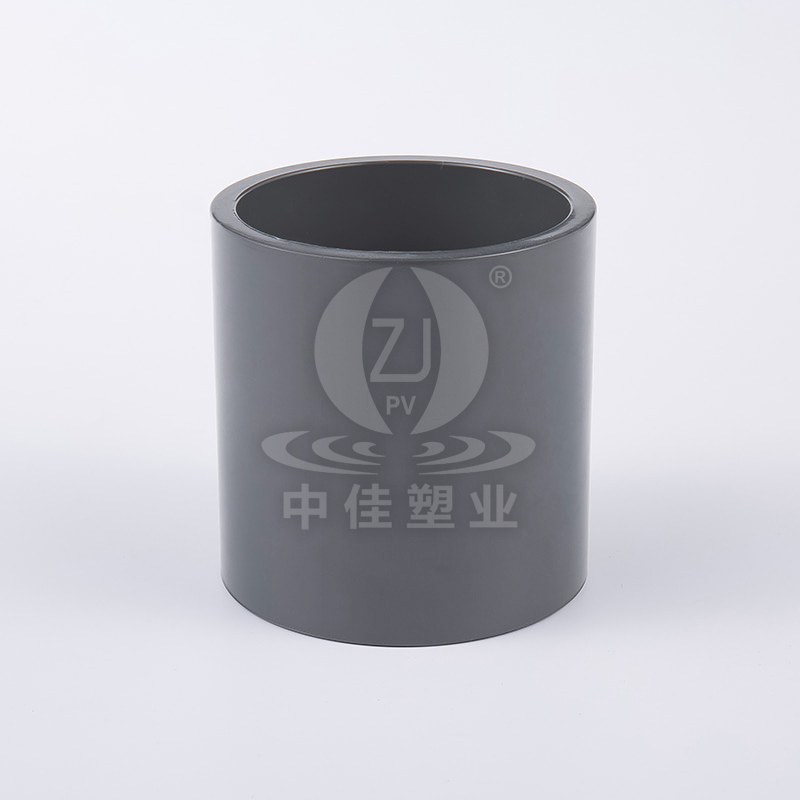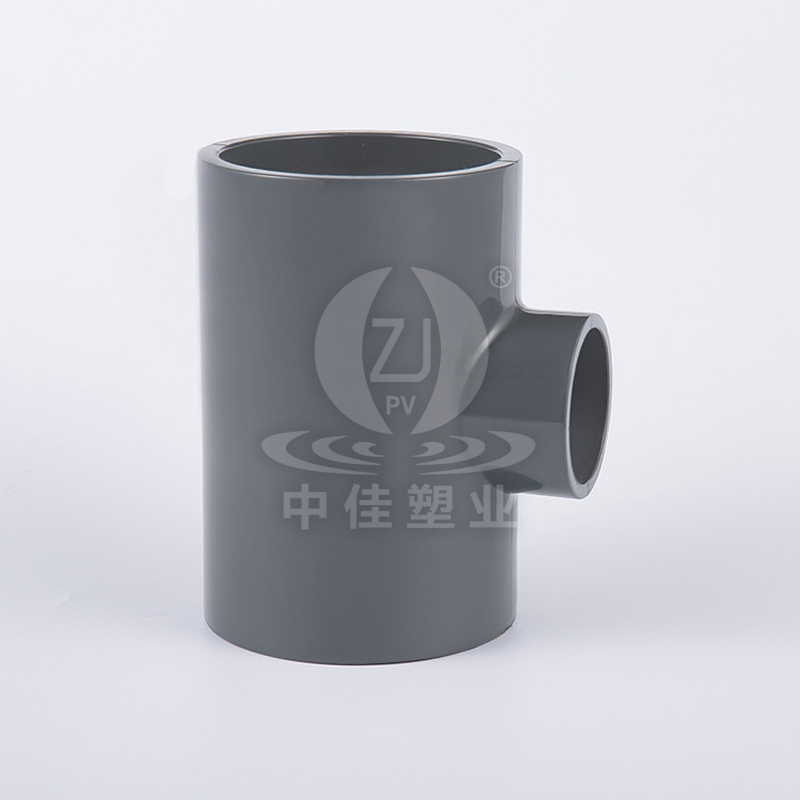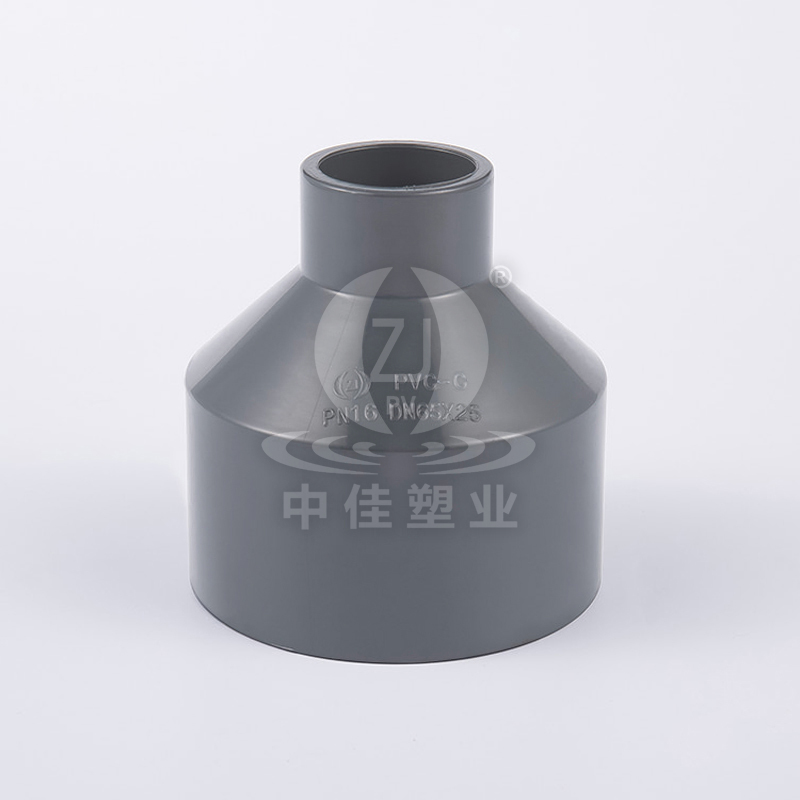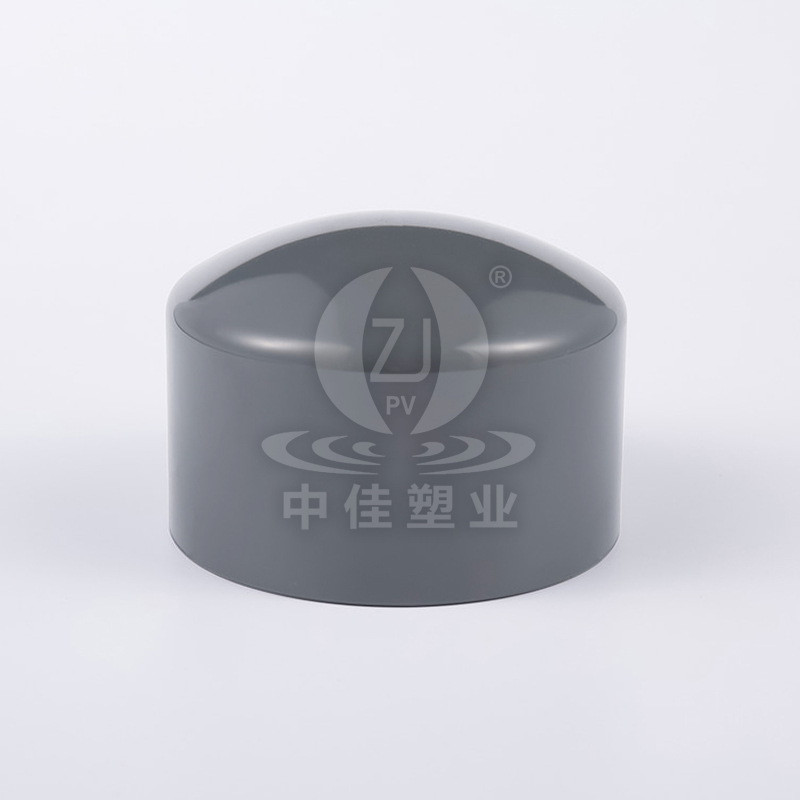




In any piping system that branches into multiple flow paths or changes pipe diameter at a junction point, the choice of fitting is critical to system performance, longevity, and compliance with relevant standards. The PVC-U reducing tee is one of the most widely specified fittings in cold water supply, industrial pipework, irrigation, and drainage systems — precisely because it combines two common engineering requirements into one component: directional branching and diameter reduction. Understanding what this fitting is, how it is constructed, what standards govern it, and how to select the correct specification prevents costly errors at the installation stage and ensures the fitting performs reliably throughout the system's service life.
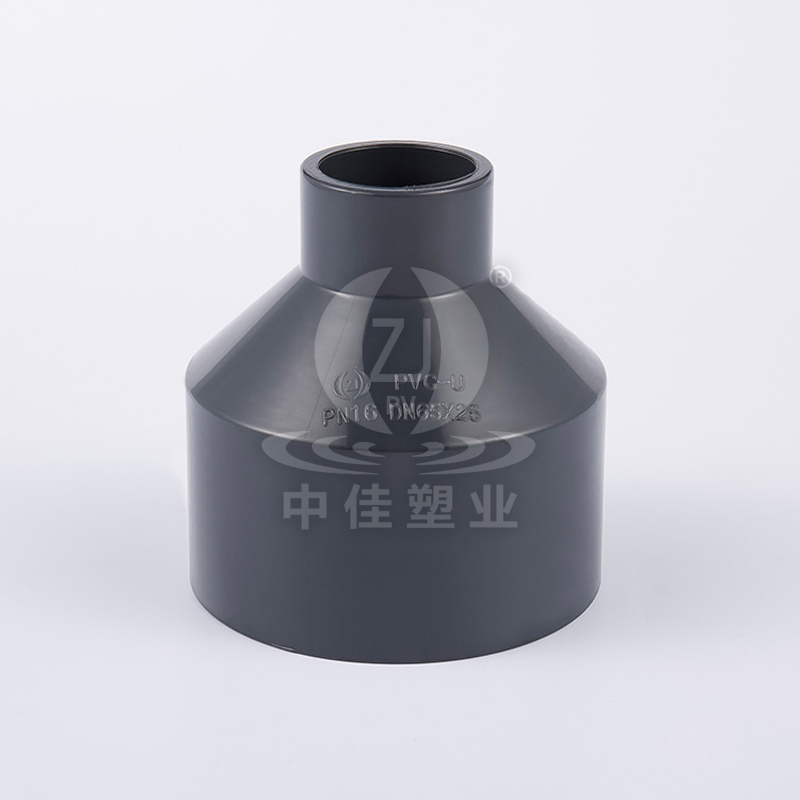
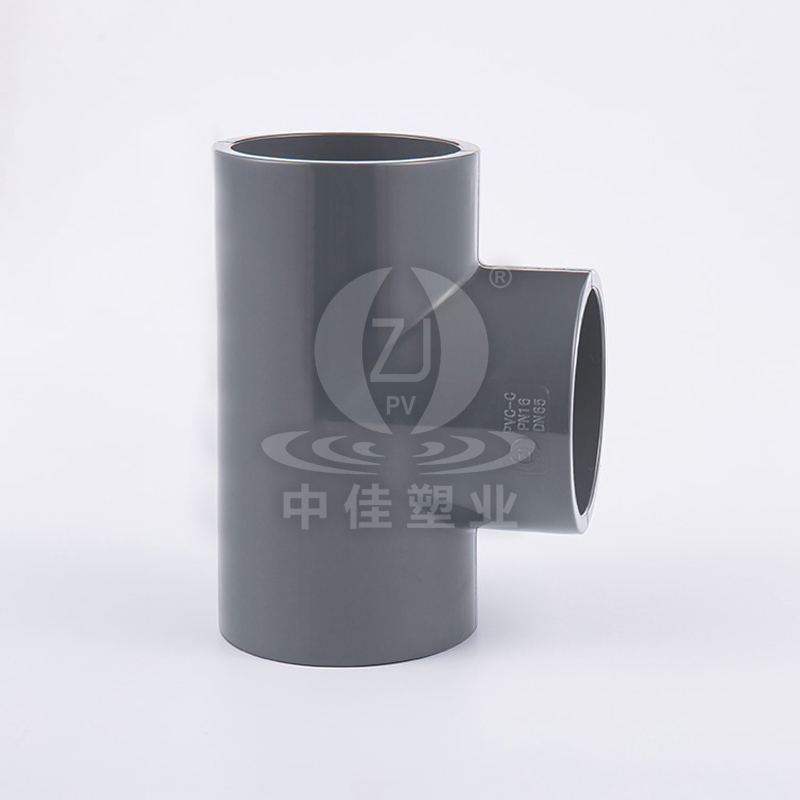
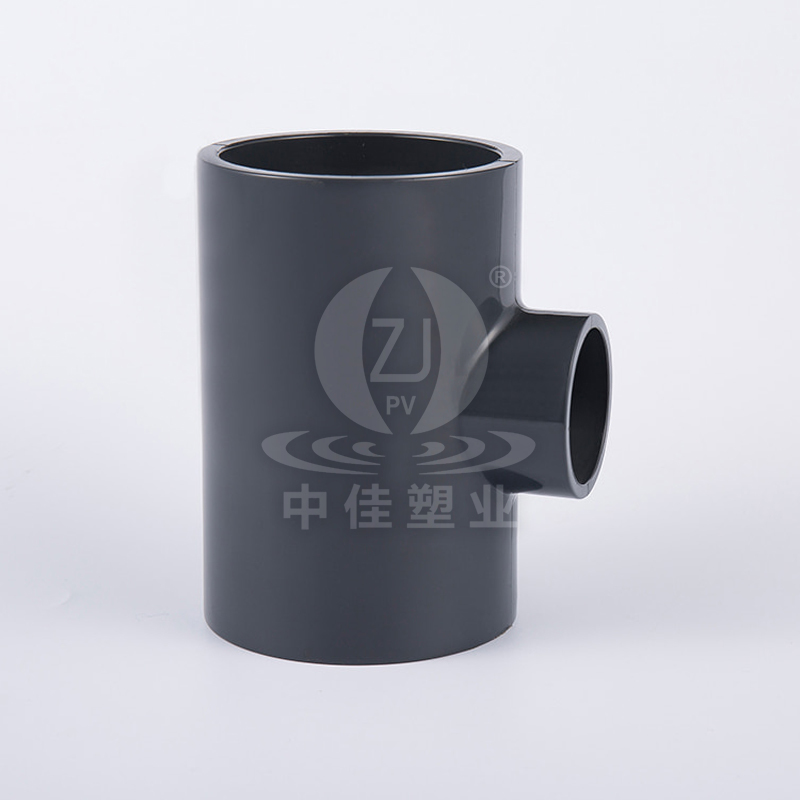
A PVC-U reducing tee is a pipe fitting made from unplasticised polyvinyl chloride (PVC-U) that connects three pipe runs at a single junction point, where at least one of the outlet ports is a different — typically smaller — diameter than the main run. The term "reducing" distinguishes it from an equal tee, where all three ports share the same nominal diameter. In a reducing tee, the branch outlet (the port that exits at 90 degrees to the main run) is reduced to a smaller bore, directing a portion of the flow into a subsidiary circuit while the main flow continues through the straight-through ports at the original pipe size.
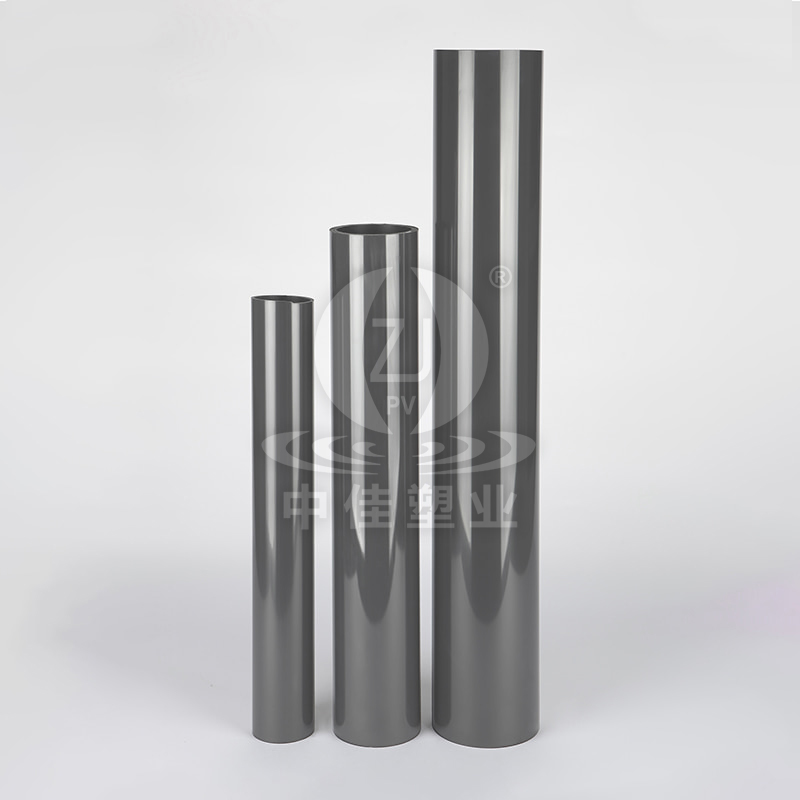
PVC-U itself is a rigid, thermoplastic material produced by polymerising vinyl chloride without the addition of plasticisers — hence "unplasticised." This rigidity makes PVC-U dimensionally stable under pressure and temperature variations within its rated range, chemically resistant to a wide range of substances including acids, alkalis, and salts, and significantly lighter than metal alternatives such as copper, galvanised steel, or cast iron. These properties make it the dominant material for cold water distribution, wastewater, and industrial pipework where operating temperatures remain below approximately 60°C.
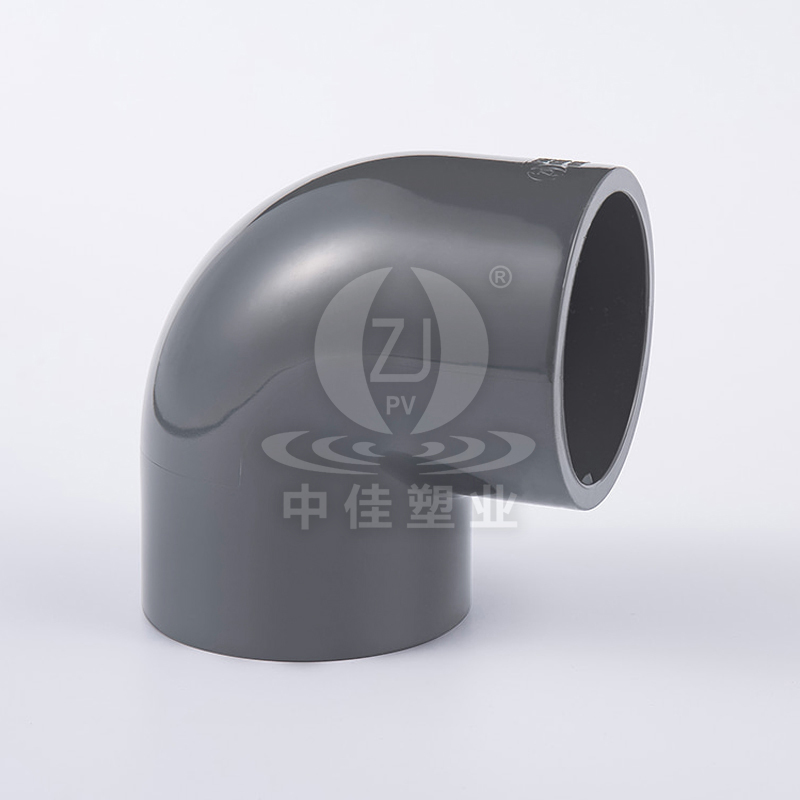
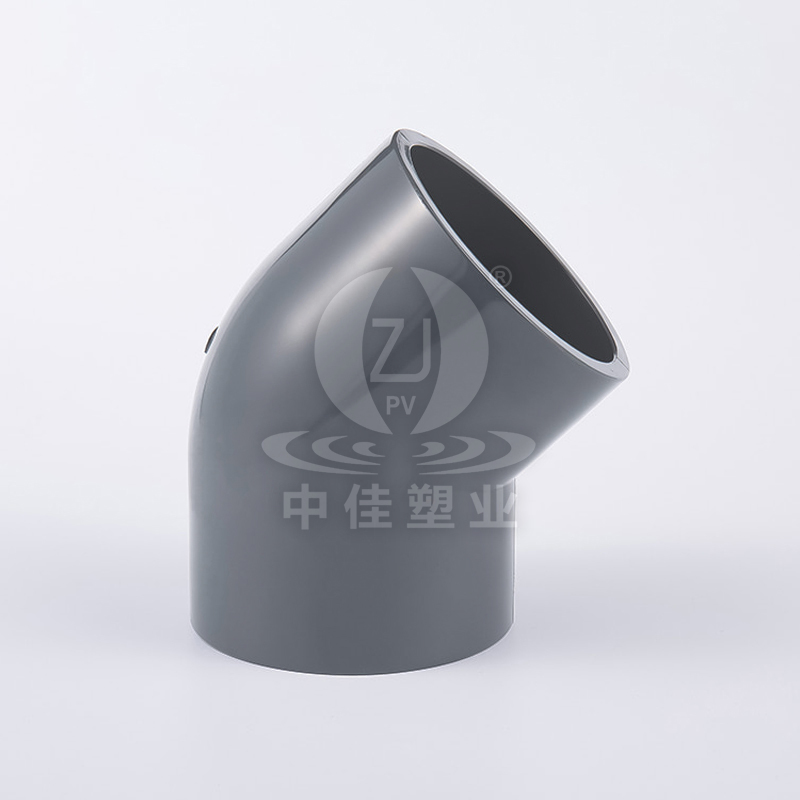
PVC-U reducing tees are injection-moulded components produced to precise dimensional standards. The geometry of the fitting — including the bore diameter, socket depth, wall thickness, and transition profile between the main run and the branch — is defined by the applicable standard and the pressure class of the fitting. The internal flow path is designed to minimise turbulence at the junction, which reduces pressure drop across the fitting and limits the risk of erosion at the branch entry point.
Connection methods for PVC-U reducing tees vary depending on the application and the piping system standard being used:
The pressure rating of a PVC-U reducing tee is one of the most important specifications to verify before selecting a fitting. Like PVC-U pipe, fittings are rated by their nominal pressure class, expressed in bar (or PN — Pressure Nominal) at a reference temperature of 20°C. Common pressure classes for PVC-U fittings are PN6, PN10, and PN16, corresponding to maximum operating pressures of 6, 10, and 16 bar respectively at 20°C.
A critical limitation of PVC-U that must be understood at the design stage is that its pressure rating decreases significantly as temperature rises. At 40°C, the allowable operating pressure is approximately 75% of the 20°C rating. At 60°C, it falls to around 40%. This means a fitting rated at PN16 at 20°C should only be used at pressures up to approximately 6.4 bar at 60°C. PVC-U is therefore not suitable for hot water systems, steam, or any application where operating temperatures regularly exceed 60°C — for those applications, CPVC, PVDF, or other higher-temperature thermoplastics must be specified.
| Pressure Class | Max Pressure at 20°C | Max Pressure at 40°C | Max Pressure at 60°C |
| PN6 | 6 bar | ~4.5 bar | ~2.4 bar |
| PN10 | 10 bar | ~7.5 bar | ~4.0 bar |
| PN16 | 16 bar | ~12 bar | ~6.4 bar |
PVC-U reducing tees intended for use in drinking water, industrial, or building services pipework must comply with the relevant standards for their market and application. These standards define the dimensional requirements, material properties, pressure test procedures, and marking requirements that a compliant fitting must meet. Buying fittings without verifiable standard compliance is a significant risk in any regulated installation.
The most widely referenced standards for PVC-U pressure fittings include:
The PVC-U reducing tee appears across a broad range of piping applications wherever a flow split and a simultaneous size change are needed at the same junction point. Its most common contexts include:
In building cold water supply systems, the main distribution pipework typically runs at a larger nominal bore and branches into smaller diameter sub-circuits serving individual fixtures, appliances, or zones. A reducing tee at each branch point maintains full bore in the main run while reducing the branch to the required service pipe size — for example, a 63 mm main run branching to a 25 mm or 32 mm service connection.
Agricultural and landscape irrigation networks use reducing tees extensively to branch from main headers into lateral lines serving individual irrigation zones or drip lines. PVC-U is the standard material for buried irrigation pipework because of its chemical resistance to fertilisers and soil additives, its long service life in buried conditions, and its low cost relative to flow capacity.
Chemical processing, water treatment, aquaculture, and swimming pool pipework frequently specifies PVC-U for its resistance to chlorine, acids, and caustic solutions at temperatures within the material's rated range. Reducing tees in these systems allow process streams to be divided and directed to subsidiary equipment — filters, dosing points, monitoring instruments, or bypass circuits — while maintaining the main process flow at full bore.
Selecting the right PVC-U reducing tee requires confirming several interdependent specifications before placing an order. A fitting that is correct in one parameter but wrong in another will either fail in service or require costly replacement.
PVC-U reducing tees are straightforward components, but the consequences of specifying them incorrectly — a wrong size, an inadequate pressure class, or an incompatible connection type — are invariably discovered at the worst possible time: during pressure testing, at commissioning, or after the system is buried or enclosed. Taking the time to confirm every relevant specification against the system design before ordering is always the more efficient approach.

Подписывайтесь на нас
ПВХ-у
PVC-U трубы Фортинг ПВХ-У для промышленности Форминги ПВХ-У для водоснабжения PVC-U Pipes ASTM D1785 PVC-U Fittings ASTM SCH80
Copyright © Changzhou Zhongjia Plastic Industry Co., Ltd.Все права защищены.
 Производители труб UPVC/CPVC


Copyright @ Changzhou Zhongjia Plastic Industry Co., Ltd.Все права защищены.